Most people think Salesforce grew through product innovation alone. The truth? A scrappy cold email system called "Cold Calling 2.0" added $100 million in recurring revenue and nearly doubled their enterprise growth — all without a single cold call.

Kyle Dickson
February 17, 2026
In 1999, Marc Benioff launched Salesforce out of a rented apartment in San Francisco with one radical idea: deliver business software over the internet instead of through expensive CD-ROMs and on-premise installations.
It sounds obvious now. Back then, it was borderline insane.
The dominant player, Siebel Systems, had armies of field sales reps doing face-to-face selling. That was how enterprise software was sold — expensive dinners, long flights, and handshake deals.
Benioff didn't have the budget for any of that. What he did have was a rebellious streak and a willingness to try things nobody else would.
Salesforce's early sales strategy was aggressive and unconventional. Instead of going after C-suite executives at Fortune 500 companies (the traditional enterprise playbook), they targeted the actual users — salespeople at small businesses with fewer than 30 employees.
This was revolutionary. Nobody was doing this. The conventional wisdom was that you always sell to the decision-maker at the top. Salesforce flipped it.
Why? Because those salespeople experienced the product firsthand. They fell in love with it. And when they changed jobs and moved to bigger companies, they brought Salesforce with them. It was a built-in growth engine fueled by product adoption from the ground up.
But the real breakthrough came a few years later.
Around 2003, Salesforce hired Aaron Ross — employee number 150. Ross had zero traditional sales experience, which turned out to be his greatest asset. He wasn't weighed down by "the way things have always been done."
Ross was tasked with figuring out how to generate more enterprise leads. The company was growing, but they needed a predictable, scalable system — not just sporadic wins from marketing campaigns and inbound leads.
So Benioff gave Ross something rare: the freedom to experiment. And Ross created something that would eventually be called "Cold Calling 2.0" — a system that would become the sales bible of Silicon Valley.
Here's what made Cold Calling 2.0 so different from everything that came before it:
No cold calls. Just cold emails.
Ross realized that traditional cold calling was broken. Reps spent 90% of their time trying to find the right person to talk to, not actually selling. The calls were disruptive, annoying, and wildly inefficient.
His solution was elegantly simple: send short, personalized emails to senior executives — not to sell them anything, but to ask one question:
"Who is the right person on your team to discuss [specific problem]?"
That's it. No pitch. No product demo request. Just a referral request.
This worked for three powerful reasons:
First, executives actually respond to referral requests. It takes five seconds to forward an email or reply with a name. There's almost no friction.
Second, when that referral happens, the sales rep now has an internal introduction. They're no longer "cold" — they're reaching out because "Sarah in the C-suite pointed me your way." That changes the entire dynamic.
Third, it's insanely scalable. One rep can send 50-100 of these emails per day. Ross's team was generating a 9% response rate from completely cold prospects, which is exceptional by any standard.
But the emails were just the tip of the iceberg. What Ross really built was a specialized sales machine with distinct roles:
Sales Development Reps (SDRs) focused exclusively on outbound prospecting. They didn't close deals. They didn't manage accounts. They did one thing: generate qualified opportunities through cold email outreach.
Account Executives (AEs) received those qualified leads and focused entirely on closing. No prospecting distractions.
Customer Success / Account Managers handled existing relationships and expansion.
This specialization was the secret sauce. Before Ross, Salesforce (like most companies) had generalist salespeople handling everything from prospecting to closing to account management. By splitting these roles, each person became dramatically more effective at their specific function.
The result? In just a few years, this system added $100 million in recurring revenue to Salesforce, nearly doubling their enterprise growth.
The biggest mistake SaaS companies make is thinking they need more closers when what they actually need is more pipeline. Ross proved that lead generation is the engine. Salespeople are just the conduit.
If your pipeline is dry, hiring more AEs is like buying more cups when you don't have any water.
Stop asking one person to prospect, qualify, demo, close, and manage accounts. It doesn't work. The person who's great at writing cold emails and generating meetings is rarely the same person who's great at navigating a six-month enterprise sales cycle.
Split the roles. Let SDRs prospect. Let AEs close. Let account managers expand.
The fastest way to get ignored is to ask a stranger for 30 minutes of their time. The fastest way to get a response is to ask who the right person is to talk to. It's a small shift in approach that produces dramatically different results.
Salesforce's early strategy of going directly to end users rather than decision-makers was genius. When users love your product, they become your internal sales army. They advocate for you in budget meetings you'll never be invited to.
Most companies rely on a few star salespeople to hit their numbers. That's not a strategy — it's a gamble. What Ross built at Salesforce was a machine where if you put X emails in, you got Y qualified leads out, which turned into Z closed deals.
Predictability beats talent when talent doesn't have a system.
Today, Salesforce generates over $35 billion in annual revenue. They've acquired Slack, Tableau, and dozens of other companies. They occupy the tallest building in San Francisco.
But it all started with a rented apartment, a willingness to try unconventional approaches, and a cold email system that most "experts" at the time would have laughed at.
The playbook Ross built at Salesforce didn't just work for one company. It became the standard operating procedure for virtually every high-growth SaaS startup in Silicon Valley. Companies like HubSpot, Slack, and hundreds of others adopted some version of Cold Calling 2.0 to fuel their growth.
The lesson for SaaS founders and sales leaders is clear: you don't need a massive budget or an army of field reps to build enterprise pipeline. You need a smart system, disciplined execution, and emails that respect your prospect's time.
Cold email isn't dead. It's just done wrong by most people.
Salesforce proved that when you do it right, it can build an empire.
Kyle Dickson is the founder of VRM Marketing, a B2B cold email agency that helps SaaS companies build predictable pipeline through account-based outbound. Want to see how a modern cold email system can work for your company? [Get a free cold email campaign.]
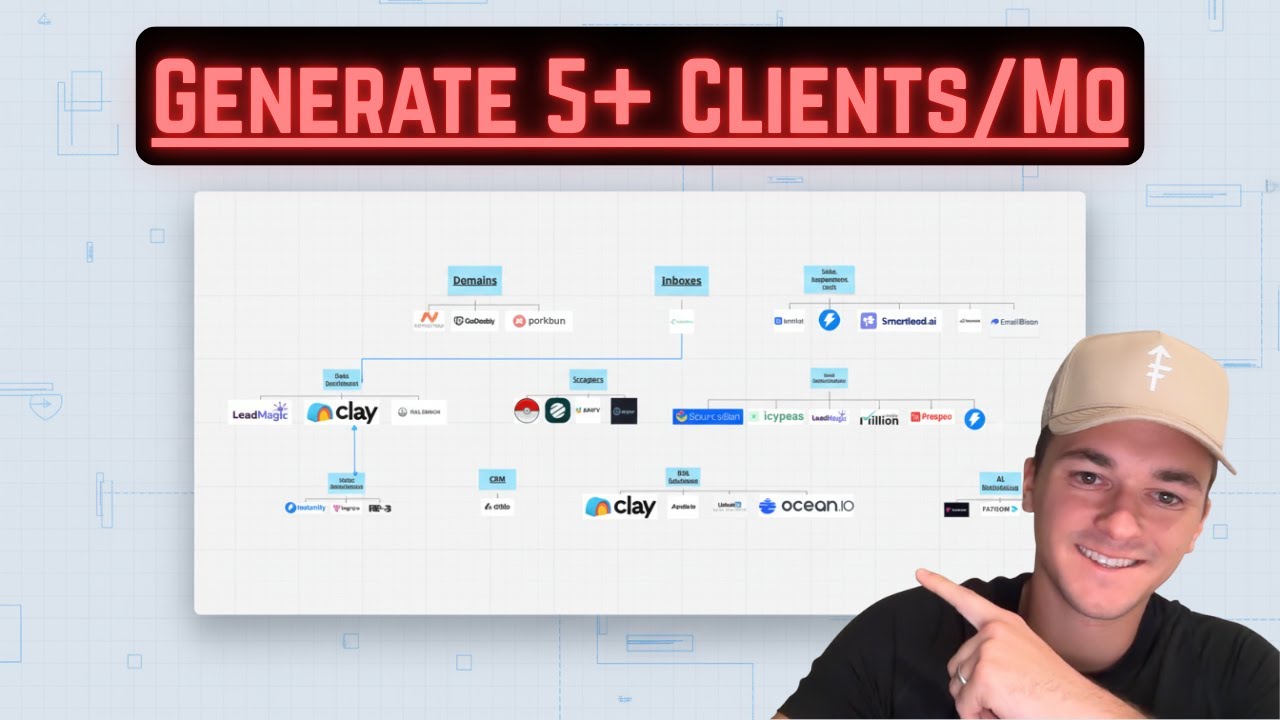
From the moment you sign a contract, you should count 2 weeks before seeing your first campaign live. The first weeks are dedicated to building your email infrastructure. We’ll set up secondary domains and mailboxes and warm these up. During the warm-up process, we build your lead lists and draft your email (&/or LinkedIn) sequences. This process usually takes 2 weeks – which means that we send our first outreach messages by week 3.
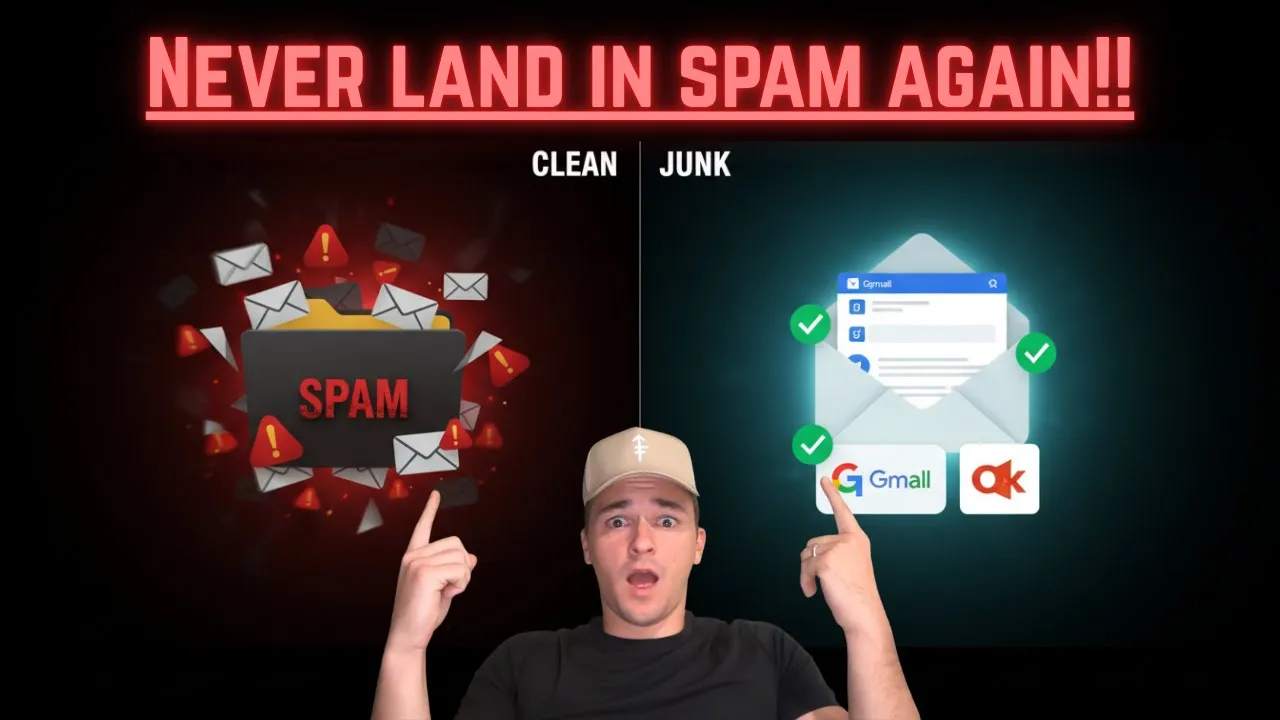
We don’t use your primary domain to send our outreach emails. If you’re doing so, you should stop already, as it can have some disastrous impact on your domain reputation overall. We create secondary domains that redirect to yours. We then create mailboxes to send our emails. Whatever happens with these domains – your main domain reputation is safe. Because we have a handful of different domains, we can scale our sending volume in a safe way.
Once our first drafts are ready, we’ll send them your way for review. We won’t send any messages you’re not happy with. Similarly, we send you the list of prospects we plan to contact before doing so. If you’re not happy with our targeting criteria, we’ll revise and recreate these lead lists.
We charge a monthly retainer. We work on a month-to-month basis. Our goal is to win your business every month by providing a service you’re happy to keep paying for.
No there is zero upfront fees & no hidden costs.



.jpg)